03 / Services
Internet and networks on board
Starlink, 4G/5G, Wi-Fi and wired networks for communication, work and entertainment. Coverage, performance and data use tailored to each boat.
Internet also delivers the boat’s television and music
Onboard connectivity is no longer just for browsing or email. With high-speed connections such as Starlink, streaming has become an alternative to marine satellite television: Netflix, YouTube and Spotify are now part of everyday network use.
That is why I look beyond the speed arriving at the router. I want to understand how it reaches each screen, phone and device, and what happens when several people connect at once. A good internet connection needs a local network that can make proper use of it.
First, understand who lives and works on board
I would not design the same network for a private sailing boat and a charter motor yacht. Size matters, but so do the number of guests and crew, VIP users, shared ownership and how the boat is used. Before proposing changes, I want to understand who connects, for what purpose and with which priorities.
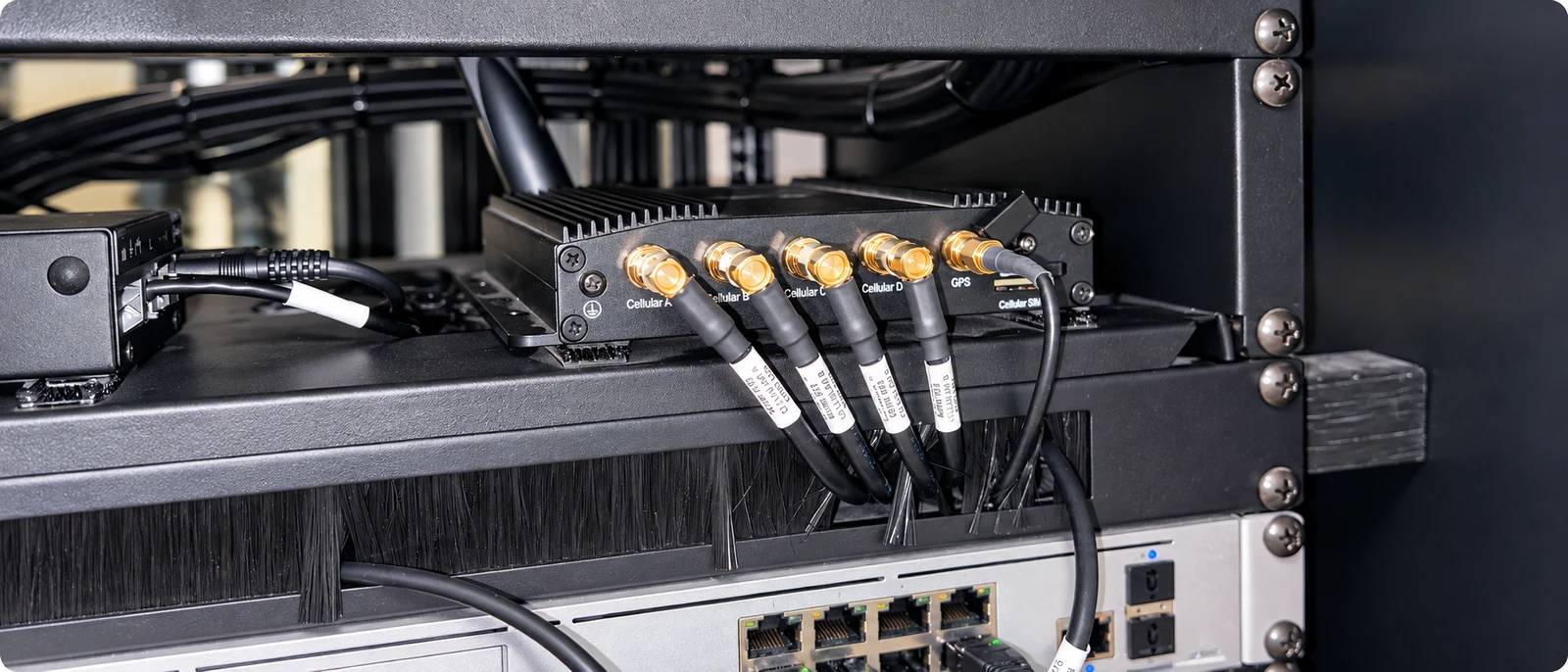
I review the available internet connections, their coverage, limits and costs. With Starlink, 4G/5G, marina Wi-Fi and equipment such as Peplink, I plan how traffic should be distributed and which connection to prioritise, depending on conditions and the equipment available. The aim is to get better value from your connectivity budget.
Organising the network, from cabling to VLANs
I analyse the physical and logical layout: routers, switches, access points, devices and cable routes. I look for bottlenecks, IP address conflicts, link errors and traffic that may be overwhelming the network. I also review device configuration and potential vulnerabilities.
I assess whether existing virtual networks —VLANs— are suitable or whether they should be introduced to separate guests, crew and boat systems. This separation is paired with access rules and priorities based on actual use, while preserving the communication the equipment needs.
Wi-Fi coverage and capacity where they are needed
An improvement may come from relocating an access point, checking an antenna or adjusting settings without replacing the whole installation. I analyse coverage, frequencies and channel use in the 2.4 and 5 GHz bands, including interference and overlap between access points.
On the wired side, I check link capacity and cable condition and category. Where the installation warrants it, I propose faster links, additional equipment or fibre-optic connections. The decision starts with the bottleneck we identify and the improvement we expect to achieve.
Sharing resources and managing consumption
The connection should serve everyone without one device taking all the capacity. I adjust bandwidth priorities and limits for guests, crew and other uses, within the capabilities of the system. I also consider the cost of each internet connection and the terms of the subscribed plan.
For entertainment, using more data does not always produce a noticeable improvement on the screens on board. We can review streaming quality in apps or devices that offer that setting and combine it with sensible network management. The aim is smooth television and music without consumption and costs that bring no useful benefit.
Measure before changing, then check the result
I observe the network in operation: speeds, latency, packet loss and device behaviour. Where needed, I use traffic captures —sniffing— and longer-term logs to identify problems that a single test would miss.
You can contact me about a fault, a working network that performs poorly, or an expansion. Tell me what happens, where you notice it and how many people use the connection. Together with measurements, that information helps decide what to keep, what to adjust and what is worth replacing or adding.
Shall we talk about your boat?
Tell me what you need and we can discuss the next step.